Color Symbolism: What Colors Mean Across Cultures, Art, and Everyday Life
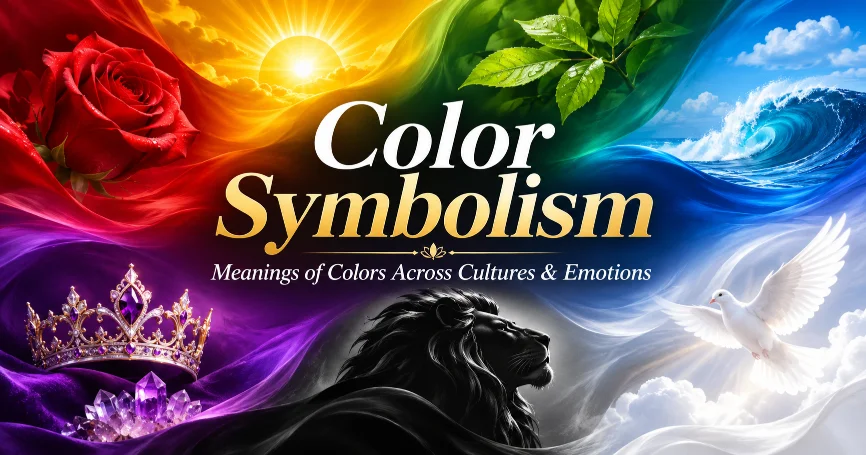
Think about a red heart, a green traffic light, or a white wedding dress. Each color creates a different idea in our minds, even before we read a word or hear an explanation. This is the power of color symbolism. Colors help people express feelings, share cultural traditions, and communicate ideas without speaking. Red can suggest love or danger, while blue may remind someone of a clear sky or a peaceful sea. Green is often connected with nature, but it can also represent jealousy. These meanings develop through history, religion, personal experiences, and everyday life. Understanding them helps explain why the same color can create different messages in clothing, paintings, celebrations, brands, and ordinary objects.
Why Do Colors Carry Different Meanings?
A color does not have one fixed meaning. Its interpretation often depends on where it appears and what people associate with it.
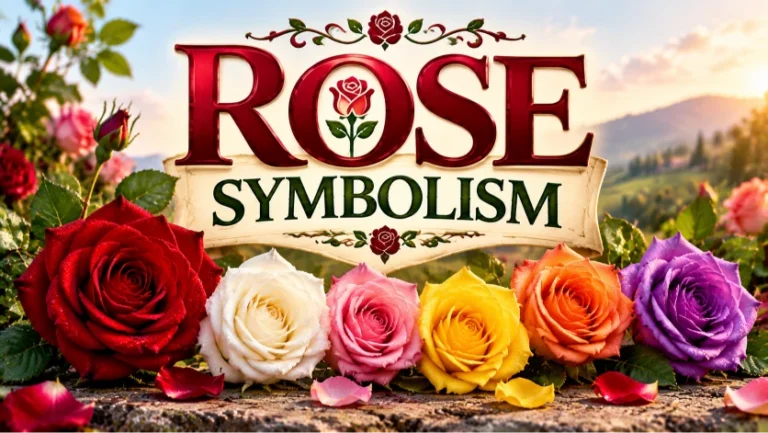
For example, imagine a red rose and a red warning sign. Both have the same basic color, but they communicate very different ideas. The rose may express romance, while the sign asks people to stop or pay attention.
Culture also plays a part. In some Chinese traditions, red is strongly associated with good fortune and celebration. In other settings, it may suggest danger, anger, or urgency.
Personal experiences matter too. Someone who loves the ocean may connect blue with happy memories, while another person may associate it with loneliness.
Research supports the idea that people make systematic connections between colors and emotions, although those connections are not identical in every situation. A 2025 review of 132 research papers examined color-emotion associations across 64 countries and found both shared patterns and variations. Read the open-access research review.
What Each Color Communicates
The easiest way to understand color symbolism is to look at the feelings, objects, and situations commonly connected with individual colors.
Red: When Love and Danger Share the Same Color
Red is one of the most noticeable colors. It attracts attention and can create strong emotional associations.
In romantic settings, red roses, hearts, and clothing often represent love, passion, and desire. During celebrations in China, red is also used to express good fortune, happiness, and prosperity.
But red has another side. Warning signs, emergency lights, and stop signals use it to communicate danger or immediate attention.
Common symbolic meanings:
- Love and romantic passion
- Courage and confidence
- Anger and aggression
- Danger and warning
- Energy and excitement
Red is a good example of how the situation changes a color’s message.
Blue: Trust, Calmness, and the Open Sky
Blue is often associated with the sky, oceans, and peaceful natural surroundings. It can create a sense of calm and stability.
Businesses frequently use blue in their visual identities because it can communicate reliability and professionalism. In everyday life, people may connect it with clear thinking, trust, and security.
However, blue is not always a happy color. Expressions such as feeling blue connect it with sadness or loneliness.
Common symbolic meanings:
- Peace and relaxation
- Trust and reliability
- Wisdom and clear thinking
- Sadness and loneliness
- Stability and confidence
A pale blue bedroom may feel restful, while a dark blue suit may create a more formal impression.
Green: Nature, Growth, and Jealousy
Green is closely connected with plants, forests, fresh leaves, and healthy natural environments. It often represents growth, renewal, and life.
A green traffic light means that it is safe to proceed when the road is clear. In business and environmental communication, green is frequently used to suggest sustainability and environmental responsibility.
Yet green also appears in expressions about jealousy and envy. This shows that even a color strongly connected with nature can carry an uncomfortable meaning.
Common symbolic meanings:
- Nature and environmental awareness
- Growth and fresh beginnings
- Health and renewal
- Balance and harmony
- Jealousy and envy
Yellow: Sunshine, Happiness, and Attention
Yellow is the color of sunshine, ripe lemons, and many bright flowers. It often represents happiness, warmth, optimism, and energy.
It is commonly used in children’s products, cheerful artwork, and designs that need to feel friendly.
Yellow can also communicate caution. Road warning signs and hazard markings often use it because it is highly visible.
Its effect can change with brightness and surrounding colors. A soft yellow room may feel warm, while a very bright yellow design can feel energetic and demanding.
Common symbolic meanings:
- Happiness and joy
- Optimism and hope
- Warmth and friendliness
- Creativity and energy
- Caution and warning
Purple: Royalty, Mystery, and Imagination
Purple has a long association with royalty, luxury, and status. Historically, some purple dyes were expensive and difficult to produce, which helped connect the color with wealth and power.
Today, purple also appears in creative industries, beauty products, and artistic designs.
Lighter shades such as lavender can feel gentle and romantic, while deep purple often creates a more dramatic or luxurious impression.
Common symbolic meanings:
- Royalty and wealth
- Creativity and imagination
- Mystery and spirituality
- Luxury and elegance
- Individuality
Orange: Warmth, Adventure, and Social Energy
Orange combines the warmth of red with the brightness of yellow. It often creates an energetic and welcoming impression.
It appears in autumn leaves, sunsets, citrus fruits, and many seasonal decorations. These natural connections make it easy to associate orange with warmth and change.
Brands sometimes use orange when they want to appear approachable, youthful, or playful.
Common symbolic meanings:
- Enthusiasm and excitement
- Friendship and warmth
- Adventure and exploration
- Creativity and confidence
- Change and autumn
Pink: Affection, Tenderness, and Care
Pink is commonly associated with affection, kindness, romance, and gentleness.
Light pink often appears in baby products, flowers, greeting cards, and romantic decorations. Brighter pink shades can communicate confidence, playfulness, and bold personal style.
Although pink has strong feminine associations in some societies, this connection is cultural rather than a universal rule.
Common symbolic meanings:
- Love and affection
- Kindness and compassion
- Romance and tenderness
- Playfulness and youth
- Care and emotional warmth
Black: Power, Mourning, and Elegance
Black has several meanings that can seem completely different from one another.
In fashion, it is often associated with sophistication, formality, and elegance. A black suit or evening dress can create a classic and professional appearance.
In many Western mourning traditions, black clothing represents grief and respect for someone who has died.
Black is also used in visual design to communicate strength, authority, mystery, and seriousness.
Common symbolic meanings:
- Power and authority
- Elegance and sophistication
- Mystery and secrecy
- Mourning and grief
- Rebellion and independence
White: Purity, Simplicity, and New Beginnings
White is commonly associated with cleanliness, simplicity, peace, and purity.
In many Western wedding traditions, white dresses represent a fresh beginning. White is also widely used in hospitals, healthcare settings, and minimalist interiors because it can create a clean appearance.
However, white has different associations in other traditions. It is used for mourning in some East Asian cultures, including Chinese funeral traditions.
Common symbolic meanings:
- Purity and innocence
- Peace and simplicity
- Cleanliness and freshness
- New beginnings
- Spirituality and mourning
Brown and Gray: Stability and Neutrality
Brown is connected with soil, wood, stone, and other natural materials. It often represents reliability, simplicity, comfort, and connection with the earth.
Gray is more neutral. It can suggest professionalism, balance, maturity, or seriousness. Depending on the shade and setting, it may also feel dull or emotionally distant.
Common symbolic meanings:
| Color | Common associations |
|---|---|
| Brown | Earth, stability, warmth, reliability |
| Gray | Neutrality, balance, maturity, formality |
How Color Meanings Change Between Cultures
A color that represents celebration in one country may have a very different meaning somewhere else. This is why understanding cultural context matters.
Here are a few examples:
China: Red is strongly associated with good fortune, happiness, and celebrations. It is commonly seen during Lunar New Year and traditional weddings.
Japan: White has connections with purity and simplicity, but it also has an important role in traditional mourning customs.
India: Saffron and orange have religious and cultural associations, while red is widely used in traditional wedding clothing.
Western countries: White is commonly associated with wedding traditions, while black is frequently worn at funerals and formal events.
South Africa: Red, black, green, blue, yellow, and white have different meanings in national, historical, and community contexts. Their interpretation depends on the particular symbol or tradition.
These examples are not rules for every person in a country. Religion, family customs, historical background, and personal beliefs can all influence how someone understands a color.
Color Symbolism in Everyday Life
Color meanings become easier to understand when we look at how people use them.
In Clothing and Fashion
People often choose clothes based on the impression they want to create.
A person wearing black may want a formal appearance. Someone choosing bright yellow might prefer a cheerful look, while blue clothing can create a calm or professional impression.
Fashion also uses color to express identity. Clothing choices can communicate cultural belonging, personal taste, or an individual’s mood.
In Art and Photography
Artists use colors to guide attention and create emotional contrast.
A painting with dark blue shades may create a quiet or lonely atmosphere. Adding a bright red object can immediately draw the viewer’s attention.
Photographers also use warm and cool tones to influence the mood of an image. Golden sunlight can make a photograph feel warm, while blue lighting can create a colder atmosphere.
In Branding and Marketing
Businesses choose colors based on the image they want customers to associate with their products.
For example:
- Blue is common in financial and technology branding.
- Green is often used by environmental and natural product brands.
- Red is frequently used in food, entertainment, and retail branding.
- Black is popular in luxury and premium product design.
These are common design choices, not guarantees that customers will respond in a particular way.
In Weddings and Celebrations
Colors help communicate the purpose and feeling of special events.
White, red, pink, gold, and purple may appear in wedding decorations, depending on cultural traditions. Birthday celebrations often use bright colors to create an energetic atmosphere, while memorial events may use more restrained shades.
The meaning comes from both the color and the tradition behind it.
How to Choose Colors That Communicate the Right Message
If you are designing a website, decorating a room, creating artwork, or choosing an outfit, think about the feeling you want to communicate first.
- Decide the purpose: A relaxing bedroom needs a different atmosphere from an energetic sports advertisement.
- Consider the audience: Age, culture, location, and personal preferences can affect how people interpret colors.
- Choose a main color: Start with one dominant shade that fits the message.
- Add supporting colors: Use complementary or contrasting shades to create visual interest.
- Check the final appearance: Look at the colors together rather than judging each one separately.
For example, a nature-focused website might use green as its main color, white for clean backgrounds, and brown for natural details. A children’s activity website might use yellow, orange, and blue to create a more playful appearance.
Frequently Asked Questions About Color Symbolism
What is the main purpose of color symbolism?
Color symbolism helps people communicate feelings, ideas, and cultural messages through visual appearance. It allows colors to represent concepts such as love, peace, danger, purity, and power.
Which color represents happiness?
Yellow is commonly associated with happiness, sunshine, optimism, and warmth. Orange is also connected with excitement and enthusiasm.
What color symbolizes love?
Red is one of the most widely recognized colors of romantic love and passion. Pink is also associated with affection, tenderness, and caring relationships.
What color represents peace and calmness?
Blue and green are commonly associated with peace, relaxation, and natural balance. White can also represent peace and simplicity.
What does black symbolize?
Black can represent elegance, authority, strength, mystery, grief, or mourning. Its meaning depends on the situation and cultural background.
Why do different cultures give colors different meanings?
Color meanings develop through traditions, religion, history, language, and shared experiences. A color may represent celebration in one culture and mourning in another.
Can colors affect human emotions?
Research shows that people often associate particular colors with emotions. However, an association does not mean that a color will produce the same emotional response in everyone. Personal experience, context, brightness, and culture all matter.
Final Thoughts
Color symbolism gives everyday objects, clothing, artwork, and celebrations an extra layer of meaning. Red may express love in one setting and danger in another. Green can suggest natural growth, while black can communicate elegance or mourning. These differences make color interpretation more interesting than simply assigning one emotion to each shade. When you understand the situation, cultural background, and people viewing a color, you can better understand the message it communicates.