Smoke Symbolism: Transformation, Mystery, and Messages
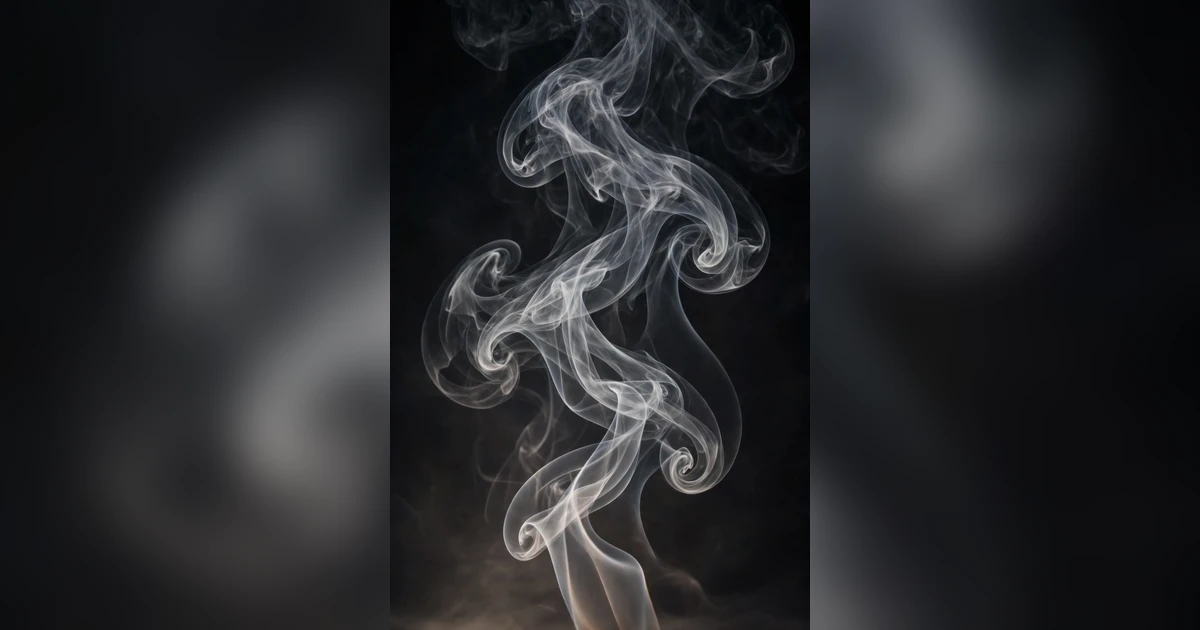
Smoke is one of the oldest symbols in human life. It rises from fires, curls from incense, drifts over battlefields, and vanishes into the sky. It is visible, yet you cannot hold it. It has a shape, yet it never stays the same shape for long. That in-between quality is exactly why smoke has carried so much meaning for so long.
Across cultures, smoke stands for transformation, impermanence, prayer, purification, mystery, and warning. This article explains each meaning in simple terms, so that the next time you see smoke rising, you will know what people have read into it for thousands of years.
Transformation: Solid Becomes Spirit
The first meaning of smoke is transformation. Smoke is born when fire changes something solid, wood, herbs, or resin, into something light and formless. What was heavy becomes airy. What was fixed becomes free.
That change mirrors the changes in human life. Old habits burn away, grief softens, a person leaves one chapter and enters another. In many spiritual traditions, burning something is a way of marking that change. The smoke shows the change happening, rising where the eye can follow it, and then it is gone, which is the point: transformation does not leave the old form behind. It releases it.
This is why smoke appears in rites of passage around the world. A funeral pyre turns a body to smoke and ash. A bundle of herbs burned at a new beginning turns worry into a visible, rising sign. The message is the same in both cases: something has ended, and something else is free to begin.
Impermanence: Here, Then Gone
Smoke’s second meaning is impermanence, the fact that nothing lasts. Smoke appears, dances for a moment, and vanishes. You cannot keep it, store it, or build with it. It teaches by disappearing.
In Buddhism, this is a central idea. Incense burned during meditation marks the passing of time and reminds the sitter that every moment, pleasant or painful, is temporary. Watching smoke curl and fade is a small lesson in letting go. The breath you just took is gone. The thought you just had is gone. So is the smoke.
Everyday language carries the same meaning. We say a chance “went up in smoke” when it vanished, or that fame is “smoke” when it fades fast. The symbol works because everyone has watched smoke disappear. It needs no explanation. It is the most honest picture of how quickly things pass.
Prayer Rising: A Bridge Between Worlds
In many religions, smoke is a bridge between the earthly and the divine. Because it rises, it looks like it is traveling upward, carrying something with it. People have long treated it as a carrier of prayers, offerings, and intentions.
In Hindu rituals, smoke from incense and fire offerings is seen as a way of delivering offerings to deities. In Buddhist temples, incense smoke purifies the space and marks it as sacred. In Native American traditions, smoke from sacred herbs carries prayers to the Creator. In Catholic and Orthodox churches, incense smoke rises during worship as a sign of prayer ascending.
The direction matters. Smoke goes up, away from the ground and toward the sky. That simple movement gives it a spiritual job no other substance has: it connects the human world below with the unseen world above. When people say their prayers “rose like incense,” they are using smoke’s oldest meaning.
Purification: Cleansing What Smoke Touches
Smoke is also a symbol of purification and cleansing. Burning herbs such as sage, cedar, or sandalwood is used in many traditions to clear a space, an object, or a person of unwanted energy. The smoke passes over what needs cleansing, and the unwanted thing is imagined to leave with it.
This practice, often called smudging or smoke cleansing, appears in Native American ceremonies, in Buddhist and Hindu temples, and in folk customs around the world. The idea is simple and physical: just as smoke clears the air of smell, it clears a room of heaviness. The ritual gives people a visible way to mark a fresh start.
Purification also has a personal side. In meditation, watching incense smoke can help the mind settle, as if worries were being carried away with it. The smoke does not literally clean anything, but the act of watching it gives the mind a focus, and focus itself feels cleansing.
Mystery and Hidden Truths
Because smoke hides as much as it shows, it also symbolizes mystery. A thin veil of smoke can soften a face, blur a room, or hide what lies behind it. In stories and films, smoke means something is not yet clear, a secret, a memory, or a truth waiting to appear.
Dreams use smoke the same way. Light, clear smoke in a dream is often read as rising awareness or a gentle message. Thick, dark smoke is read as confusion, unresolved feelings, or something clouding judgment. The smoke itself does not give answers. It shows that answers are hidden, and that the dreamer should look closer.
Smoke also stands for the unconscious mind. The psychologist Carl Jung called smoke the soul of fire, and noted that, like the contents of the unconscious, smoke is not always clearly visible but still takes shape. It drifts at the edge of sight, much like a half-remembered thought.
Warning: Danger on the Wind
Not all smoke meanings are gentle. Smoke is also a warning. Where there is smoke, there may be fire, and humans learned that lesson long before language. A column of smoke on the horizon means danger, a fire to escape or a battle nearby.
In nature, smoke signals this plainly. Animals flee from wildfire smoke. Travelers read distant smoke as a sign to change course. In stories, a room filling with smoke means the characters must act now. The symbol is built into survival itself.
This warning meaning also appears in dreams and sayings. “Where there’s smoke, there’s fire” means a rumor probably has some truth behind it. Thick smoke in a dream can warn of conflict ahead or of feelings that need attention before they grow. In all these cases, smoke asks the same question: what is burning, and should you pay attention?
Communication: Messages Written in Air
Before telephones and radios, smoke was a messenger. Smoke signals carried news across valleys and mountains in many cultures, from Native American tribes to ancient China and Greece. A column of smoke by day, or fire by night, could warn of enemies, announce a gathering, or call for help.
This gave smoke a meaning of communication itself. It stands for messages sent across distance, and for the hope that someone far away will see and understand. Even today, we use the image: a “smoke signal” means any simple, visible call for attention.
Smoke’s message is always simple, because smoke cannot carry detail. It can say “come,” “danger,” or “we are here,” but not much more. That simplicity is part of its charm. It reminds us that the most important messages are often the shortest.
Smoke in Everyday Life
Smoke symbolism is not only for temples and dreams. It appears in ordinary moments too. Campfire smoke on clothes after a night outside can bring back a whole evening in one smell. Cigarette smoke in an old film signals thoughtfulness or trouble. Fog and smoke blur the edges of a city street and make it feel mysterious.
Even grey smoke has its own quiet meaning. Grey sits between black and white, between clarity and darkness, and grey smoke often stands for uncertainty, a situation not yet decided. It is neither the clean white of prayer nor the black of danger, but something in between, which is where most of life happens.
Noticing smoke in daily life is a small exercise in symbolism. Ask what is burning, what is rising, what is fading, and what is hidden. The answers are rarely about the smoke itself. They are about the moment you are standing in.
Frequently Asked Questions
What does smoke symbolize in general?
Smoke mainly symbolizes transformation, impermanence, prayer, purification, mystery, and warning. Its exact meaning depends on its color, thickness, and setting.
What does white smoke mean spiritually?
White or light smoke is often read as prayer rising, clarity, and spiritual guidance. It suggests something clean and hopeful moving upward.
What does black or thick smoke mean?
Thick or dark smoke often means confusion, danger, or unresolved feelings. It can warn of conflict ahead or of something blocking clear sight.
What does smoke mean in dreams?
In dreams, smoke often stands for hidden truths, transformation, or confusion. Light smoke leans toward guidance, while thick smoke leans toward warning.
Final Thoughts
Smoke earns its place among the oldest symbols because it is honest about life. It rises, it changes shape, it carries messages, and then it is gone. It shows transformation without hiding the fire that caused it, and it shows beauty without pretending to last.
The next time you watch smoke curl upward, notice what it is doing. It may be marking an ending, carrying a prayer, warning of fire, or simply reminding you that this moment, like the smoke, will pass. For a deeper look at smoke’s spiritual meanings, the Wisdom of the Spirit guide is a useful companion.