Gladiolus Flower Symbolism: Strength, Integrity, and Remembrance
A gladiolus means strength of character, integrity, and remembrance. It is a tall flower with a sword-like stalk, and its message is as straight as its stem. Give it to honour someone who has stood firm, to remember someone with respect, or to say that a feeling has struck you with force. It is also the August birth flower and the flower of a 40th wedding anniversary, two milestones that both ask for strength.
The gladiolus is called the sword lily for a reason. Its name comes from the Latin gladius, the short sword of a Roman soldier, and gladiolus means little sword. Its long, pointed leaves grow in a flat fan like blades. From that shape came a whole language: courage, moral strength, faithfulness, infatuation, and never giving up.
The Short Answer: Strength That Stands Tall
The core meaning of the gladiolus is strength of character. Its tall spike does not bend, and that reads as moral character: integrity, inner strength, someone who can stand tall under pressure. Farmers’ Almanac sums the flower up as strength, integrity, and perseverance, and that is the sense in which it appears in most lists of flowers that mean strength.
Remembrance sits close to strength. A gladiolus is a funeral flower in many countries, a symbol of remembrance with the depth a goodbye asks for, and a quiet comfort for the people left behind. The same tall stalk that stands for courage also stands for a life remembered with honour.
A third meaning is infatuation. In Victorian flower language, the gladiolus could say, “You pierce my heart like a sword,” a declaration of sudden, overwhelming love. That is a very different message from strength, and colour helps tell them apart. The guide below explains which colour says what.
What Is a Gladiolus?
The gladiolus is a perennial flower with about 250 species, most of them from South Africa, with others from Madagascar, Europe, Western Asia, and the Mediterranean. Modern cut varieties mostly descend from South African species brought to Europe. The plant grows from a corm, a bulb-like base buried in the earth, and sends up a tall stalk lined with ruffled blooms that open from the bottom upward.
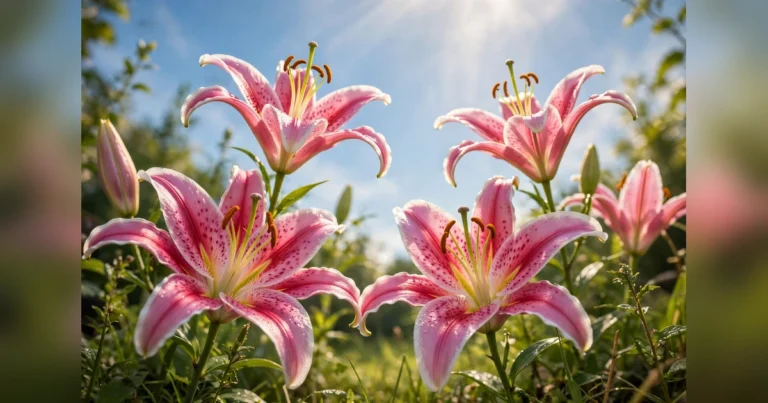
Its leaves are long, stiff, and pointed, like a blade. Its flowers come in almost every colour: red, pink, white, yellow, orange, purple, and green. Each stalk can carry a dozen blooms, and the whole plant can grow a metre or more tall. In a garden, it dominates a late-summer border. In a vase, it dominates a room.
The gladiolus blooms in mid to late summer, which is why it became the August birth flower. It needs sun, good drainage, and a little patience. Plant the corm in spring, and by August the sword has become a tower of flowers. That journey, from a bulb buried in the earth to a tall flowering stalk, is itself a symbol of personal growth and overcoming challenges.
Like a color that changes with light, a gladiolus changes with its colour. The stalk stays the same, but the bloom on it changes the message.
The Sword in the Name: Gladiators and Victory
The gladiator connection is real, but it is often told the wrong way round. The most repeated version says gladioli were thrown onto fallen fighters after combat. The accurate tradition is the reverse: gladioli, or garlands of them, were presented to victorious gladiators as tokens of admiration and honour. The flower was a recognition of skill, courage, and the strength that had prevailed.
In ancient Rome, fighters are said to have worn gladiolus flowers during contests, believing the blooms would call up the strength and skill of a warrior and win the protection of the gods. Crowds are said to have thrown the blooms into the arena to honour a victorious fighter. Whether every detail of that story is true, the link between the flower and the fighter is still why the gladiolus is read today as a symbol of moral integrity, remembrance, and never giving up.
That history gives the flower a serious tone. A gladiolus is not a light, playful flower. It is a flower for a serious moment: a hard-won victory, a long effort, a life of principle, or a farewell that deserves dignity.
Victorian Meaning: Infatuation and Never Giving Up
In the Victorian language of flowers, the gladiolus was assigned a set of meanings that remain consistent across flower dictionaries: strength of character, moral integrity, faithfulness, and infatuation. A secondary but persistent meaning is never giving up, the refusal to give in under pressure, which maps naturally onto a gladiator’s trained resolve.
To give someone gladioli in the Victorian tradition was to say one of two things with unusual precision: either “I honour the strength of your character” or “you have pierced my heart.” Colour made the difference, and the person receiving the flowers was expected to read it.
The phrase most closely linked to the flower is “you pierce my heart like a sword.” It turns the sword metaphor toward vulnerability rather than strength. A sword can defend, but it can also wound, and love at first sight can feel like both at once. That double meaning is what makes the gladiolus interesting. It is strong and tender in the same stem.
Gladiolus Colours and What Each One Says
Colour is central to gladiolus symbolism. The stalk is the same, but the bloom changes the message.
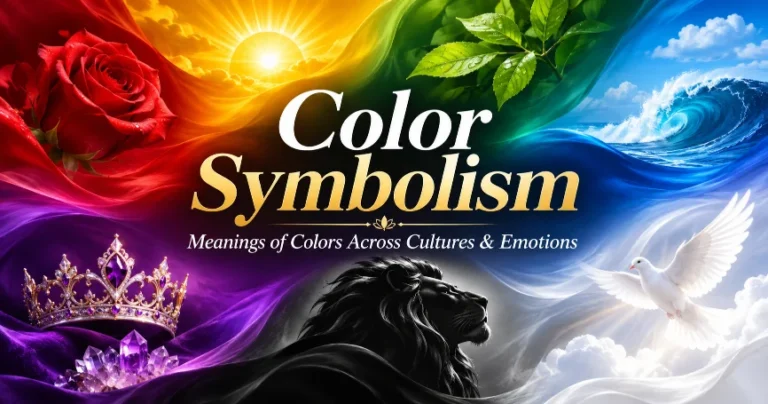
Red gladioli mean passion and deep love. They carry the sword’s force into romance, a love that arrives with strength. Pink gladioli mean admiration and a mother’s love, softer and more grateful. White gladioli mean purity, innocence, and remembrance, which is why white is common at funerals and memorials. Yellow gladioli mean cheerfulness, friendship, and joy. Purple gladioli mean elegance, mystery, and royalty. Orange gladioli mean enthusiasm and energy.
If you are giving gladioli to honour strength, choose red, white, or purple. If you are giving them for love, choose red or pink. If you are giving them for remembrance, choose white. The colour is the sentence. The flower is only the voice.
The August Birth Flower
The gladiolus is the primary birth flower for August. August has two traditional birth flowers: the gladiolus and the poppy. The gladiolus is the dominant symbol in most traditions, because of its mid to late summer bloom, its tall presence in the garden, and its layered meaning.
People born in August are often linked in flower lore to Leo, the sign that covers most of August. The gladiolus’s meaning of strength of character and victory aligns directly with Leo’s qualities: courage, pride, and a strong sense of self. Whether you believe in that link or not, it is a fitting birthday flower for someone who leads with strength.
The 40th Wedding Anniversary Flower
Farmers’ Almanac lists the gladiolus as the flower of the 40th wedding anniversary, the ruby anniversary. The fit is easy to see. Forty years of marriage takes exactly the kind of stubborn strength the flower stands for: strength, integrity, and perseverance through good years and hard ones.
A ruby anniversary is a rare milestone, and a gladiolus is a fitting flower for it. Its tall stalk stands for a marriage that has stood tall. Its many blooms on one stem stand for the many years that make up a shared life. Its name, little sword, stands for the courage it takes to keep a promise for four decades.
Give gladioli for a 40th anniversary in red, the colour of the ruby, or in white for purity and remembrance of the years gone by. A tall arrangement in a home says more than a card alone. It says that the marriage itself is the achievement being honoured.
Gladiolus in Funerals and Remembrance
Strength and remembrance sit close together, which is why the gladiolus is a funeral flower in many countries. Its tall, dignified stalk suits a formal farewell. Its white blooms suit purity and peace. Its red blooms suit a life lived with passion and courage.
At a funeral, a gladiolus arrangement says, “This person stood tall, and we remember them with honour.” It is a quieter message than a eulogy, but it is no less sincere. For the family left behind, it offers comfort without words.
If you are sending flowers for a loss, choose white for peace and purity, or red for a life of strength and love. Avoid bright, playful colours such as yellow or orange at a funeral, unless you know the family would welcome them. Keep the arrangement simple and tall, and let the flower’s dignity speak.
Gladiolus in Dreams and Spiritual Meaning
In modern readings, the sword symbolism is carried into self-help language: inner strength, personal growth after a hard period, and emotional healing. None of that comes from one particular spiritual tradition. It is the old strength-of-character meaning in the language of today.
A gladiolus in a dream is often read as a sign of strength, a challenge overcome, or a need to stand firm. Some dream guides say it points to a test you are facing, or to a part of yourself that is growing stronger. These readings are traditions and beliefs, not facts, and they should not be used to make big life decisions.
The plant’s own life offers a simpler spiritual lesson. A corm buried in dark earth becomes a tall tower of flowers in summer. That is a picture of growth after a hard period, of patience rewarded, and of strength that was hidden before it bloomed. You do not need a special belief to feel that meaning. You only need to watch the flower grow.
Watch a gladiolus in nature for a moment before you look up any meaning. Its straight stalk, its blade-like leaves, and its blooms opening one by one tell you more than any list can. It is a flower that stands up, and that is its message.
When to Give Gladioli, and When Not To
Give gladioli to honour strength, to mark a milestone, or to remember someone with dignity. They suit August birthdays, 40th anniversaries, graduations, recoveries from illness, new jobs, and farewells. They also suit a person who has faced a hard time and come through it. A tall bunch says, “I saw what you did, and I admire it.”
Do not give gladioli for a light, casual occasion. Their tall, formal shape can feel too serious for a simple thank you or a first date. For those moments, choose a smaller, softer flower. A gladiolus is a flower for a moment that matters.
Cut the stems at an angle, keep them in clean water, and remove faded blooms so the buds above can open.
Frequently Asked Questions
What does a gladiolus symbolize?
A gladiolus symbolizes strength of character, integrity, perseverance, infatuation, and remembrance. Its name means little sword, after its blade-like leaves.
Is the gladiolus the August birth flower?
Yes, the gladiolus is the primary birth flower for August. The poppy is the secondary August birth flower.
What is the gladiolus flower for a 40th anniversary?
The gladiolus is the traditional flower for a 40th wedding anniversary, the ruby anniversary, because forty years of marriage takes strength, integrity, and perseverance.
What do gladiolus colours mean?
Red means passion and deep love. Pink means admiration. White means purity and remembrance. Yellow means cheerfulness and friendship. Purple means elegance and mystery.
Are gladioli funeral flowers?
Yes, gladioli are used as funeral flowers in many countries. White gladioli stand for purity and peace, and the tall stalk stands for a life remembered with honour.
Did gladiators really wear gladiolus flowers?
Popular lore says Roman gladiators wore them for protection and that crowds honoured victorious fighters with them. The tradition is widely repeated, but the details come from flower lore rather than from a single historical record, so treat it as a story, not as a proven fact.
Final Thoughts
A gladiolus is a flower that stands up. It does not droop, it does not hide, and it does not apologise for its height. It says, “Strength matters, character matters, and remembering matters.”
When you give one, choose the colour with care, give it for a moment that deserves it, and let its height speak. Red for passion, white for remembrance, pink for admiration, purple for elegance. The person who receives it will feel the difference, even if they cannot name it.
For a deeper look at the gladiolus as the August birth flower, with its history and care notes, see this gladiolus flower meaning guide. It covers the flower’s meaning, its place in August, and why it suits a 40th anniversary.