Dead Snake Symbolism: Endings, Freedom, and New Beginnings
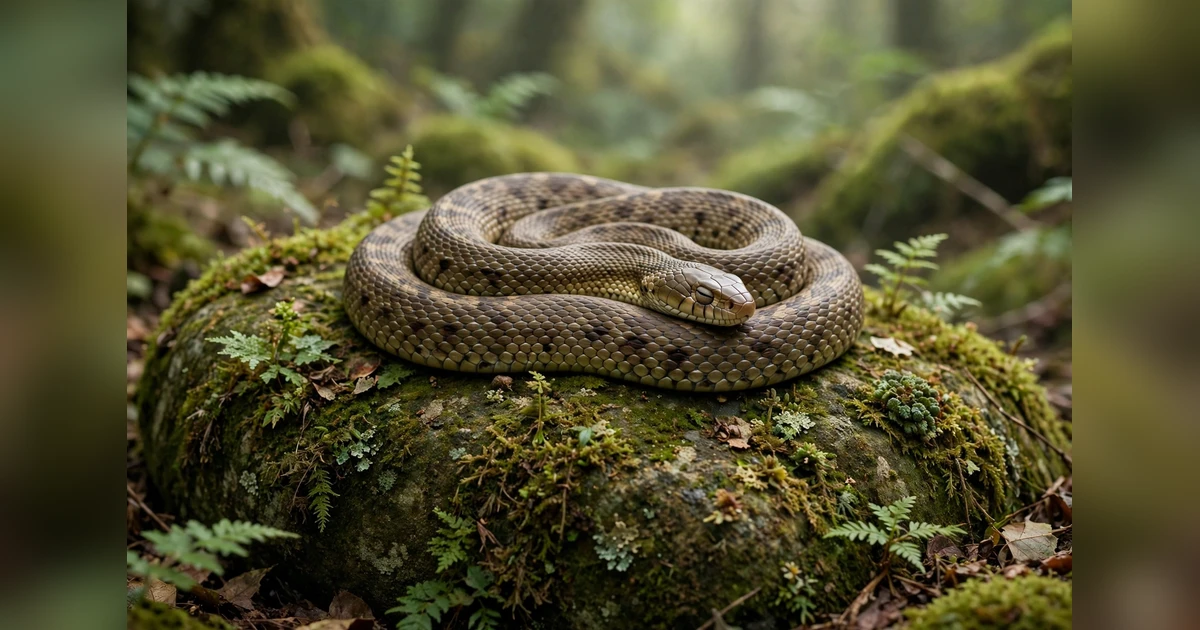
A dead snake is a startling sight, whether you meet one on a forest path or in a dream. Living snakes stand for movement, danger, healing, and transformation, so a dead one points in the opposite direction: something has stopped, finished, or lost its power. But that is not necessarily bad news. In most traditions, a dead snake means a threat has ended, a hard chapter has closed, and space has opened for something new.
This article explains what a dead snake symbolizes in waking life and in dreams, across cultures, and what it may mean for you, including one practical warning you should not ignore.
The Short Answer: Something Lost Its Power
The core meaning of a dead snake is simple: something that once had power over you no longer does. That something could be a fear, a toxic pattern, a difficult period, a temptation, or a person whose influence has faded. The snake lies still because the force it represented has stopped moving.
This is why a dead snake often brings relief rather than dread. A living snake demands caution. A dead one asks for reflection: what has ended in your life, and what does its ending make room for? The answer is usually more hopeful than the sight suggests.
It is also why your first reaction matters. Relief points to a threat that has passed. Sadness may point to something respected that has been lost. Fear may point to unfinished business, or simply to the shock of the sight itself. Your feeling is the best clue to which meaning fits your life.
The End of a Cycle
In many spiritual traditions, a dead snake symbolizes the completion of a significant life cycle. Snakes shed their skin to grow, and their death in symbolism works the same way in reverse: the old form is gone, and the shedding is finished. Old patterns, beliefs, or relationships that no longer serve you have reached their end.
Paradoxically, death here often means new beginnings. The ouroboros, the ancient image of a snake eating its own tail, stands for the eternal cycle of life, death, and rebirth. A dead snake can mark the threshold between two seasons: the old skin is gone, and the new season has not yet taken shape. That in-between moment can feel uncertain, but it is also where growth happens.
This is the “ego death” reading found in many esoteric traditions: the part of you that clung to control, shame, or old trauma may be fading. What dies is not you, but an expired version of you, and its death makes room for the next one.
Finding One vs Killing One: A Meaningful Difference
How the snake died changes the reading, especially in dreams. Finding a snake already dead usually means a problem has passed without requiring further action from you. The threat ended on its own, the conflict resolved itself, or time did what effort could not. The message is rest: you do not need to fight this one anymore.
Killing the snake yourself places more emphasis on overcoming through your own actions. You faced something you once considered dangerous or powerful, a fear, an enemy, a temptation, an unhealthy attachment, or a situation that had too much influence over your decisions, and you ended its hold. The message is victory: your courage did this.
Both readings end in the same place, freedom, but they honor different paths to it. One honors patience and time. The other honors action and bravery. Knowing which one fits your life tells you what to celebrate.
Dead Snakes in Dreams
Dreams are where dead snake symbolism appears most often, and the meanings there are rich. A dead snake in a dream commonly reflects the end of fear, resolved conflict, emotional healing, freedom from toxic influences, a completed transformation, recovered trust, or a situation that no longer has the power it once held over you.
Common dream readings include:
- The resolution of a conflict or problem that has been weighing on you.
- Letting go of toxic relationships or habits that kept you stuck.
- Overcoming fears or insecurities that once felt unbeatable.
- A need for spiritual or emotional healing that is now being met.
- The end of a transformation cycle, where the change is finally complete.
Psychologists have long treated snakes as rich dream symbols. Freud linked them to primal power and intense connections, with a dead snake possibly signaling a fear of losing that energy or facing a truth about a connection that cannot be sustained. Jung took a different route, viewing snakes as symbols of deep psychological transformation, like the unconscious shedding old skin to create new pathways in the mind.
Dreams about dead snakes commonly appear during periods of recovery, forgiveness, closure, personal growth, and moving on. A dream that keeps returning usually points to a feeling you have not finished with, and it is worth writing down and reflecting on rather than dismissing.
The Color of the Snake Changes the Reading
The color of the snake adds another layer of meaning, and it is worth noting because dreamers often remember color most vividly:
- A dead black snake often means releasing grief, shame, or fear from your life, though some traditions read black as bad luck or something dying that still needs letting go.
- A dead white snake often means entering a period of purity, clarity, or deeper awareness, and a warning to stay joyful and true through the change.
- A dead red snake often means the destruction of unresolved anger, buried rage, or destructive desire.
- A dead green snake often means the end of a malicious presence, envy, or a harmful influence in your life.
These readings are not rules, and different traditions disagree about them. Treat color as a hint that narrows the meaning, not as a verdict. Your own associations with a color matter as much as any list.
Across Cultures and Faiths
Dead snake symbolism shifts across cultures, and the differences are instructive. In ancient Egypt, snakes were linked to rebirth and eternal life, so a dead snake could point toward renewal rather than loss. In Chinese tradition, where snakes stand for intelligence and flexibility, a dead one can mark the end of a phase. In South Asian traditions, where snakes can mean protection and fertility, a dead one may read as the loss of something respected.
In Native American traditions, snakes are connected with transformation and the cycles of life, and a dead snake fits that cycle as its closing phase. In yogic traditions, snakes represent kundalini energy, the powerful life force coiled at the base of the spine, and a dead snake can signify the release or awakening of that energy.
In Christian reading, the serpent’s defeat is a promise: Genesis speaks of the serpent’s head being crushed, Romans speaks of God crushing the adversary underfoot, and Colossians speaks of powers being disarmed. Read that way, a dead snake means a temptation has lost its grip, and the appropriate response is vigilance and gratitude, not fear.
No single culture owns this symbol. Its meaning is a conversation between traditions, and your own background is part of that conversation.
The Warning Side: When the Snake Twitches
Not every dead snake reading is comfortable, and honesty requires the exception. A snake that twitches, moves, or returns splits the meaning: it can signal unfinished business, a threat that looks finished but is still working underneath, or persistence that refuses to quit. If the snake in your dream or sighting was not fully still, the message may be that something needs one more look before you call it done.
There is also a practical warning that matters more than any symbolism. A dead snake in nature can still be dangerous. Venomous snakes can bite by reflex for some time after death, and their fangs can still deliver venom. Never pick up, poke, or handle a dead snake, especially if you cannot identify it. Admire it from a distance, keep children and pets away, and let it be. Symbolism is for reflection. Safety is for real life.
If you find a dead snake in your yard, the practical steps are simple: do not touch it, keep pets and children clear, and if it is near a home entrance or a play area, contact local animal control for removal advice. The sight can still be meaningful without becoming a risk.
Your First Reaction Is the Best Clue
With so many possible meanings, how do you know which one fits? Start with your first reaction, because it is the most honest data you have.
Relief usually means a threat has genuinely passed, and your deeper mind already knows it. Grief may mean something valued has ended, even if its ending is healthy. Unease or confusion may mean the ending is real but not yet understood, or that something remains unresolved. Sadness mixed with peace often means a respectful goodbye: something mattered, and it is over.
A dead snake in nature is a physical event first, so read it against what is happening in your actual life, not against a generic list. A waking sighting is best treated as a prompt to embrace a change already underway, not as a verdict about your future. Dreams work differently: your feeling on waking tells you more than the snake does.
What to Do When You See One
If you meet a dead snake, whether awake or in a dream, a simple response covers both the practical and the reflective sides. First, stay safe: do not touch it, and keep distance. Second, pause and notice your feeling, without forcing a meaning onto it. Third, ask one question: what has recently ended, or is ending, in my life? A job, a relationship, a habit, a fear, a health struggle, a long argument, any of these could be the cycle the snake represents.
Then consider what the ending makes room for. Endings create space, and space is where new beginnings grow. If the ending was painful, allow grief alongside relief; both can be true. If the ending was a victory, allow yourself to celebrate it. If the ending feels incomplete, look for the one remaining thread that needs tying off.
Finally, treat the sighting as a reading, not a rule. Symbolism offers language for your experience, not a verdict on your fate. Its value is in the reflection it prompts, not in any prediction it claims.
Frequently Asked Questions
What does a dead snake symbolize?
A dead snake most often symbolizes the end of a threat, fear, or toxic pattern, a completed transformation, and freedom from something that once had power over you.
Is seeing a dead snake good or bad luck?
Most traditions read it as a positive sign: danger passed, a cycle closed, healing underway. Some readings note loss or unfinished business, especially if the snake was not fully still.
What does a dead snake mean in a dream?
In dreams it usually means resolved conflict, letting go of toxic influences, overcoming fear, or a transformation that is now complete.
Should I touch a dead snake?
No. Dead venomous snakes can still bite by reflex, so keep your distance, keep pets and children away, and contact local animal control if removal is needed.
Final Thoughts
A dead snake looks like an ending, and it is, but endings in symbolism are rarely only endings. The threat that has lost its power, the cycle that has closed, the fear that has been faced, and the old skin that has been shed all point to the same hopeful truth: something is over, and you are still here, with space for what comes next.
Whether you meet one on a path or in a dream, let it remind you of what you have survived and what you are free to become. For a deeper look at this symbol’s spiritual meanings, the dead snake spiritual guide is a useful companion.