Alexandrite Symbolism: Meaning, Color Change, and Good Fortune
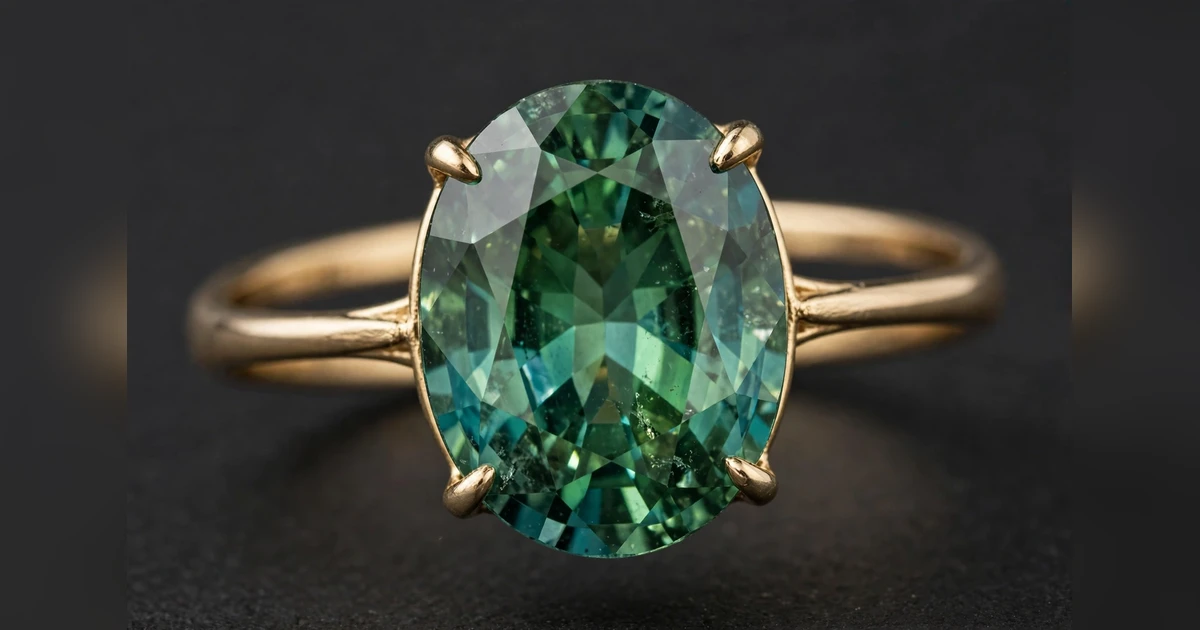
Alexandrite is a stone that refuses to stay one color. In daylight it looks green, sometimes with a blue or teal touch. Under a warm lamp in the evening, the same stone turns red or purplish red. This color change is not a trick of the eye. It is built into the stone itself, and it is the reason alexandrite has been linked with balance, transformation, and good fortune for nearly two hundred years.
People often describe it as “emerald by day, ruby by night.” This article explains what alexandrite is, why it changes color, the story behind its name, and what its symbolism means.
What Is Alexandrite?
Alexandrite is the rare color-change variety of the mineral chrysoberyl. Its chemical name is beryllium aluminum oxide, and the trace element chromium inside the crystal is what gives it the power to change color. Without chromium, the same mineral would be plain yellowish chrysoberyl. With it, the stone becomes one of the most prized gems in the world.
Fine alexandrite is green to bluish green in daylight and red to purplish red in incandescent light, according to the Gemological Institute of America (GIA). Most cut stones weigh less than one carat, and larger stones of fine quality are exceptionally rare.
Alexandrite is also a hard stone. It measures 8.5 on the Mohs scale, which makes it harder than quartz and suitable for rings and jewelry worn often.
Today, alexandrite comes from Sri Lanka, East Africa, and Brazil, along with smaller sources such as India and Madagascar. Its original Russian mines are mostly worked out, which only adds to the story of a stone that was rare from the very start.
Why Does Alexandrite Change Color?
The color change comes from the way the stone absorbs light. Chromium in the crystal absorbs light strongly in the yellow part of the spectrum, around 580 nanometers. What reaches your eye depends on the light around you. Daylight is rich in green light, so the stone looks green. Warm lamplight is rich in red light, so the stone looks red or purplish red.
This is different from stones that simply look different from different angles. Alexandrite changes with the light source itself, not with the direction you hold it. That is why jewelers sometimes call the effect “the alexandrite effect.” Other gems can change color too, but none does it as strongly or as famously as alexandrite.
Not every alexandrite changes to the same degree. Some shift only slightly, while others make a full, vivid jump from green to red. The strength of the change, along with the richness of both colors, is what makes one stone far more valuable than another.
In color symbolism, green is often linked with growth, balance, and calm, while red is linked with energy, passion, and warmth. Alexandrite carries both sides in a single stone, which is why its meaning is so often described as balance between opposites.
The Story Behind the Stone
Alexandrite was discovered in Russia’s Ural Mountains in the early 1830s, in an emerald mine. The miners first thought they had found emeralds, because the stones looked green in daylight. Then, in the evening lamplight, the same stones turned red. It was a surprise no one expected, and it made the new stone famous almost at once.
The stone was named in 1834 in honor of the future Czar Alexander II. The timing fit beautifully. Green and red were the colors of the Russian military at the time, so the stone felt like a national symbol. It became a favorite of Russian royalty and aristocracy, and for decades Russia was the only source in the world.
Over time, the original Ural mines were largely depleted. New deposits were found in Sri Lanka, and later in Brazil, Tanzania, and other countries, but fine material with a strong color change has stayed rare.
What Does Alexandrite Symbolize?
In crystal lore and traditional belief, alexandrite is first of all a stone of balance. Because it holds two colors, it is said to help a person hold two sides of life at once: work and rest, logic and feeling, giving and receiving. People who like this meaning often say the stone reminds them that change is not something to fear, but something to move with.
Transformation is the second big meaning. A stone that changes color with the light is a natural symbol for personal change. It is linked with adapting to new chapters, letting go of old habits, and finding confidence during uncertain times. For someone starting a new job, moving to a new place, or beginning again after a hard year, alexandrite is often chosen as a quiet reminder that they can change too.
Good fortune is the third meaning, and it goes back to the stone’s royal beginning. Because it was named for a young future czar and tied to a moment of national pride, alexandrite became known as a lucky stone. People still give it as a wish for success, protection, and happy turns in life.
Love is another meaning attached to alexandrite. Its evening shade sits close to indigo and purple-red, colors long linked with deep feeling and devotion. Alexandrite is the traditional gift for the 55th wedding anniversary, which makes it a symbol of rare and lasting love. A marriage that reaches fifty-five years is itself rare, and the stone fits the occasion.
Creativity and confidence round out the list. Because the stone shows a different face in different light, it is said to encourage self-expression and the courage to be seen.
These meanings come from tradition and belief, not from science. No study proves a stone can change luck or feelings. But symbols matter because people give them meaning, and alexandrite’s meaning is easy to understand: one stone, two colors, and the balance between them.
Alexandrite as a June Birthstone
Alexandrite is a modern birthstone for June, along with pearl and moonstone. Pearl and moonstone are the traditional June stones, while alexandrite was added later, in the 1950s, as the modern choice. That makes it a thoughtful gift for anyone born in June who wants something less common than the traditional stones.
June birthdays fall at the start of summer, a season of long days and change. Alexandrite fits that season well, and as a birthstone gift it is said to carry wishes for balance, good fortune, and joy through the year ahead.
How to Care for Alexandrite Jewelry
Alexandrite is a hard stone, but good care still matters. Clean it with warm soapy water and a soft cloth, then rinse and dry it gently. This simple routine is enough for most jewelry, and it keeps the stone’s color change easy to see.
Avoid harsh chemicals such as bleach, and take the ring off during heavy work. Even hard stones can chip if knocked, so store alexandrite separately from softer stones.
With this basic care, alexandrite jewelry can last for decades. That durability is part of its symbolism too: a stone that survives daily life, just as it survives the change from day to night.
Real Alexandrite and Lab-Grown Alexandrite
Because natural alexandrite is rare and expensive, lab-grown alexandrite is also sold. Lab-grown stones have the same chemical makeup and the same color-change ability, because they are the same mineral, grown in a laboratory instead of the earth. They cost much less, which makes the color change affordable for many more people.
If you are buying natural alexandrite, ask for a report from a respected gem laboratory. It confirms the stone is natural and describes the strength of the color change. Be careful with stones that promise a dramatic change at a very low price, since fine natural alexandrite is never cheap.
For more detail on the gem itself, the GIA’s alexandrite guide is a good place to start.
Frequently Asked Questions
Is alexandrite a real gemstone?
Yes. It is a natural variety of chrysoberyl, and its color change is a real effect caused by chromium in the crystal.
Why is alexandrite so expensive?
Fine natural alexandrite is very rare, especially in larger sizes with a strong color change. Rarity and demand together push the price up sharply.
What does alexandrite symbolize in short?
Balance, transformation, good fortune, and lasting love. Its two colors in one stone are the heart of its meaning.
Is alexandrite good for everyday wear?
Yes, with normal care. At 8.5 on the Mohs scale it is hard enough for rings, though it should still be protected from hard knocks.
Final Thoughts
Alexandrite earns its place among the world’s most loved stones with a simple trick: it changes. Green in the day, red in the evening, it holds two natures without losing itself.
Whether you wear it as a June birthstone, give it for a 55th anniversary, or simply admire the way it shifts in the light, alexandrite is a reminder that change can be beautiful. One stone, two colors, and a story that began in the Ural Mountains nearly two hundred years ago.