Tea Symbolism: Meaning, History, and Cultural Significance
Tea is more than a warm drink. For many people, it represents kindness, friendship, peace, and togetherness. A simple cup of tea can welcome a guest, comfort a tired person, or bring friends closer. This is why tea symbolism has an important place in different cultures around the world. Its meaning can change depending on the country, tradition, and situation. In some places, tea represents respect and hospitality. In others, it stands for calmness, wisdom, or a special connection between people. Understanding these meanings helps us see why tea is such an important part of everyday life.
What Does Tea Symbolize?
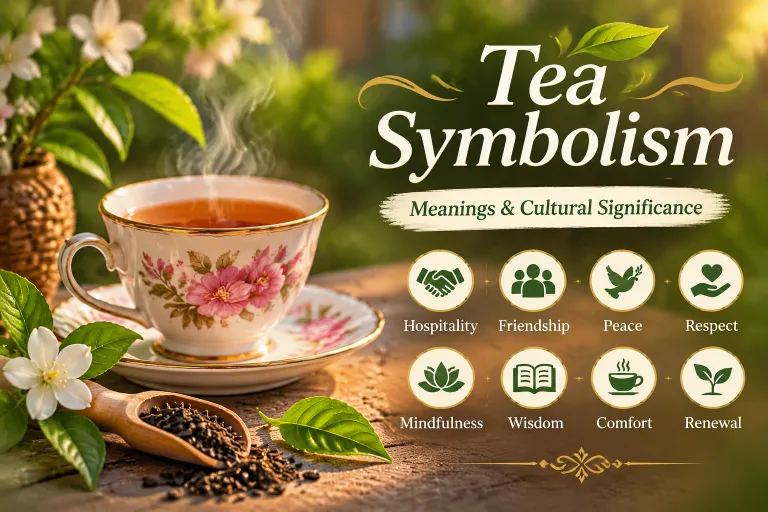
Tea commonly symbolizes hospitality, friendship, peace, respect, comfort, and connection. It is often shared during visits, family gatherings, celebrations, and quiet moments. Offering someone tea can be a simple way to say, “You are welcome here.”
The meaning of tea is not the same everywhere. Different communities have developed their own customs around preparing, serving, and drinking it. However, one idea appears again and again: tea brings people together.
For example, a person may prepare tea for a friend who needs support. A family may serve tea to welcome visitors. Someone may also enjoy a quiet cup alone after a busy day. Each moment gives tea a different emotional meaning.
7 Important Meanings of Tea Symbolism
Tea has several symbolic meanings. Here are seven common ideas connected with this popular drink.
1. Hospitality and Welcome
One of the strongest meanings of tea is hospitality. Hospitality means making visitors feel comfortable, respected, and welcome.
In many countries, serving tea is one of the first things people do when guests arrive. A host may prepare fresh tea, bring small snacks, and invite everyone to sit together. This simple act shows care without needing many words.
Tea is especially important in Turkish and Azerbaijani hospitality traditions. Offering a cup to visitors is a way to show respect and build social connections. This cultural practice is also recognized by UNESCO as part of the living heritage of communities in Azerbaijan and Türkiye.
Therefore, tea can symbolize an open door, a warm welcome, and kindness toward others.
2. Friendship and Connection
Tea also represents friendship and strong relationships. People often drink tea while talking, laughing, and sharing stories.
Think about two friends meeting after a long time. They sit together, prepare tea, and talk about their lives. The tea is not the main reason for their meeting. It simply creates a comfortable moment for conversation.
Tea can also help people connect when they have different ages, backgrounds, or experiences. A shared cup gives everyone a reason to sit together.
This is why tea is often linked with:
- Friendship and trust.
- Family relationships.
- Meaningful conversations.
- Sharing happy memories.
- Spending time with loved ones.
3. Peace and Calmness
A warm cup of tea can remind people to slow down and enjoy the present moment. This makes tea a symbol of peace and calmness.
Imagine having a busy day. You finish your work, sit in a quiet place, and hold a warm cup of tea. For a few minutes, you can relax and forget about your worries.
Tea is also connected with meditation and quiet reflection in some traditions. The Japanese tea ceremony, for example, gives special importance to careful preparation, attention, and the shared experience of drinking tea.
In this way, tea can represent a peaceful mind, a quiet moment, and a break from daily stress.
4. Respect and Gratitude
Serving tea can be a sign of respect. When someone offers you tea, they may be showing that they value your presence.
This meaning is especially clear in cultures where tea is served to elders, guests, family members, and important visitors. The way tea is prepared and offered can reflect good manners and appreciation.
Tea can also be a simple way to express gratitude. For example, offering tea to someone who has helped you is a small gesture that says thank you.
Its message is simple: you matter, and I appreciate your time.
5. Wisdom and Mindfulness
Tea is sometimes associated with wisdom because drinking and preparing it can encourage patience and attention.
Making tea requires a few simple steps. You heat water, prepare the leaves, wait for the tea to brew, and then enjoy the result. This process reminds us that good things sometimes need time.
In traditional tea practices, people may pay attention to the water, tea leaves, smell, temperature, and taste. These small details encourage mindfulness.
Mindfulness means paying attention to what is happening right now instead of always thinking about the past or future.
For this reason, tea can symbolize patience, learning, thoughtful decisions, and a deeper understanding of everyday life.
6. Comfort and Emotional Support
Tea often represents comfort, especially during difficult or emotional moments.
When someone feels sad, tired, or worried, a family member may prepare a cup of tea for them. The drink does not solve every problem, but the caring action can make someone feel less alone.
Many people also connect tea with childhood memories, family homes, rainy afternoons, and conversations with loved ones.
These memories give tea a personal meaning. It can remind someone of a person, a place, or a happy time.
7. Renewal and New Beginnings
Tea can also symbolize renewal and fresh beginnings. A new cup of tea often marks the start of a peaceful break or a new part of the day.
People may enjoy tea in the morning before starting work or in the evening after completing their daily tasks.
The act of preparing a fresh cup can represent leaving yesterday’s worries behind and welcoming a new moment.
This meaning is not a fixed cultural rule. It is a personal symbol that many people may connect with their daily tea habits.
Tea Symbolism in Different Cultures
Tea has traveled across the world, and each culture has developed its own traditions. These traditions give tea different meanings.
Tea Symbolism in Chinese Culture
China has a long history of tea cultivation, preparation, and drinking. Tea became an important part of Chinese daily and social life over many centuries.
In Chinese culture, tea is connected with respect, harmony, modesty, and hospitality. Families may serve tea to guests, relatives, and older family members as a sign of care.
Traditional Chinese tea practices also focus on the quality of tea leaves, water, preparation, and serving. The experience is not only about drinking. It is also about appreciating the process and spending time with others.
Tea ceremonies and tea-related customs help pass cultural knowledge from one generation to another.
Tea Symbolism in Japanese Culture
In Japan, tea has a special connection with mindfulness, respect, and harmony.
The Japanese tea ceremony, known as Chanoyu or Sadō, is a traditional practice involving the careful preparation and serving of matcha. Matcha is a finely ground green tea powder.
Every part of the ceremony receives attention, including the tea bowl, movements, surroundings, and interaction between the host and guests.
The experience encourages people to focus on the present moment and appreciate simple things. It also shows respect between the host and visitors.
For this reason, Japanese tea traditions are often associated with simplicity, discipline, peace, and mindfulness.
Tea Symbolism in Turkish and Azerbaijani Culture
Tea is an important part of social life in Türkiye and Azerbaijan. It is commonly served when guests visit homes, friends meet, or families spend time together.
In these cultures, tea represents hospitality, respect, and social connection.
Turkish tea is often served in small, tulip-shaped glasses. Azerbaijani tea is traditionally served in pear-shaped glasses called armudu.
People may enjoy tea with sweets, sugar, jam, or other small treats. Sharing tea creates an easy way to talk and spend time together.
UNESCO recognized the culture of Çay in Azerbaijan and Türkiye in 2022 as an example of living cultural heritage.
Tea Symbolism in British Culture
In Britain, tea is strongly connected with daily routines, social gatherings, and comfort.
Afternoon tea became a well-known British tradition. It often includes tea served with sandwiches, cakes, or small pastries.
For many people, offering tea is also a friendly way to welcome someone or start a conversation.
Tea breaks are another familiar part of British life. People may enjoy a cup during work, while visiting family, or when relaxing at home.
As a result, tea can symbolize tradition, comfort, social connection, and everyday hospitality.
Tea Symbolism in Indian Culture
India has a rich tea culture, especially through its popular drink, chai.
Masala chai is commonly prepared with black tea, milk, sugar, and spices such as ginger, cardamom, and cinnamon. Recipes can differ between families and regions.
Tea is often shared with family members, neighbours, visitors, and friends. Street-side tea stalls, commonly called chai stalls, also provide places where people meet and talk.
In many Indian communities, chai represents warmth, friendship, daily comfort, and togetherness.
What Different Types of Tea Can Symbolize
Different teas have their own colours, flavours, and cultural associations. People may also give them personal symbolic meanings.
| Type of tea | Common symbolic associations |
|---|---|
| Green tea | Balance, freshness, and renewal |
| Black tea | Strength, warmth, and tradition |
| White tea | Simplicity, purity, and gentleness |
| Herbal tea | Comfort, relaxation, and care |
| Chamomile tea | Rest, calmness, and peace |
| Jasmine tea | Beauty, elegance, and harmony |
| Matcha | Focus, mindfulness, and discipline |
| Masala chai | Warmth, family, and togetherness |
These are general interpretations rather than universal cultural meanings. The symbolism of a particular tea can depend on personal memories and local customs.
What Does Tea Represent in Literature and Art?
Tea often appears in books, paintings, poetry, and other forms of art. Writers and artists use it to show feelings and relationships without explaining everything directly.
For example, a scene where two people share tea may represent friendship, trust, or a growing relationship. A person drinking tea alone may represent peaceful reflection or a need for comfort.
Tea can also help create a feeling of home. A familiar teacup, an old kettle, or steam rising from a cup can remind readers of family traditions and memories.
In some stories, tea gatherings represent important social events where people exchange news, make decisions, or discuss personal matters.
This makes tea a useful symbol in storytelling because it connects ordinary moments with deeper human emotions.
Is Tea a Spiritual Symbol?
Tea can have spiritual meaning in some cultures and personal traditions. It is sometimes connected with mindfulness, balance, gratitude, and inner peace.
In Buddhist traditions, tea has been used in monastic settings and meditation practices. Japanese tea culture also developed strong connections with Zen Buddhism.
However, tea does not have one universal spiritual meaning. Some people see it as a symbol of peace, while others simply enjoy its taste and daily routine.
Its spiritual value depends on the beliefs and traditions of the people who prepare and drink it.
Frequently Asked Questions About Tea Symbolism
What is the main meaning of tea symbolism?
Tea mainly symbolizes hospitality, friendship, peace, respect, and connection. It often represents the simple act of welcoming someone and sharing time together.
Does tea symbolize love?
Tea can symbolize love through caring actions and shared moments. Preparing a cup for someone can show affection, kindness, and attention.
Why is tea a symbol of hospitality?
Tea is often offered to guests as a sign of welcome and respect. Sharing a drink gives people a comfortable way to talk and connect.
What does tea symbolize in Japanese culture?
In Japanese culture, tea is associated with harmony, respect, mindfulness, simplicity, and the appreciation of the present moment, especially through the traditional tea ceremony.
What does green tea symbolize?
Green tea is commonly associated with freshness, balance, renewal, and simplicity. These meanings can differ depending on personal and cultural traditions.
Does tea symbolize peace?
Yes. Tea is often connected with peace because preparing and drinking it can create a quiet moment for relaxation, reflection, and meaningful conversation.
Why is tea important in different cultures?
Tea is important because it brings people together. It is part of family traditions, social gatherings, ceremonies, and everyday routines in many countries.
Final Thoughts
Tea symbolism shows that a simple drink can carry many meaningful messages. It can represent hospitality when offered to a guest, friendship when shared with someone special, and peace during a quiet moment alone. Different cultures have also created beautiful traditions around tea, making it an important part of their history and daily lives. Although its meaning changes from place to place, one idea remains common: tea is often a symbol of connection, care, and togetherness.